

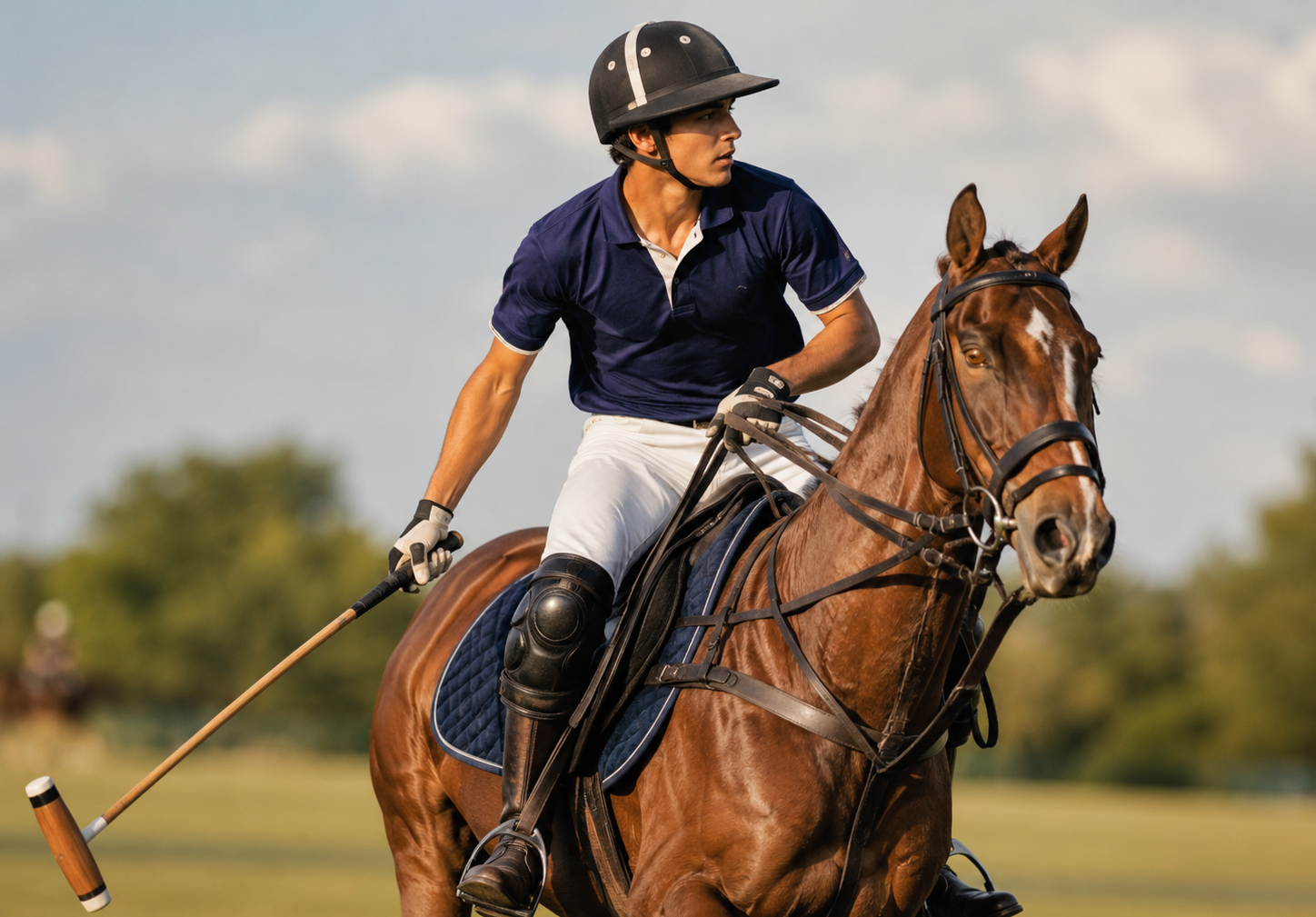
Polo is often called the Sport of Kings, but in 2026 it is becoming more accessible than ever before. Across India, Argentina, the United Kingdom, the United States, and Dubai, professional academies, riding schools, junior development programs, and polo clubs are opening their doors to newcomers who are passionate about horses and competition.
Many aspiring players assume that polo is only for royalty or wealthy families. While the sport does require commitment and investment, modern training programs, horse leasing options, scholarships, and club memberships have made it possible for talented individuals from diverse backgrounds to build a career in polo.
Whether your dream is to represent your country, compete in international tournaments, become a professional instructor, or simply enjoy the thrill of the game, this comprehensive guide explains every step you need to take to become a successful polo player in 2026.

Why Choose Polo as a Career?
Unlike many sports where athletes retire early with limited opportunities, polo offers multiple career paths both on and off the field. Professional players can compete internationally, coach young riders, train polo horses, manage clubs, organize tournaments, and even become ambassadors for luxury brands.
A career in polo also provides unique opportunities to travel the world. Professional circuits regularly take players to countries such as Argentina, England, the United States, Spain, the UAE, Thailand, South Africa, Australia, and India.
The sport combines athletic ability, strategic thinking, teamwork, leadership, and horsemanship—making it one of the most rewarding equestrian careers available.
What Does a Professional Polo Player Do?
Professional polo players spend far more time training than simply playing matches.
Their daily routine typically includes:
- Horse fitness and conditioning
- Riding practice
- Swing and hitting drills
- Tactical team practice
- Horse care
- Physical fitness
- Video analysis
- Tournament preparation
- Traveling between polo seasons
Top professionals may ride six to ten horses in a single day while preparing for international competitions.
Can Anyone Become a Polo Player?
Yes.
Contrary to popular belief, you do not need to be born into a polo family.
Many successful professionals began by:
- Learning horse riding first
- Joining local riding schools
- Volunteering at polo clubs
- Leasing horses
- Taking beginner polo lessons
- Playing in low-goal tournaments
Passion, discipline, and consistent practice matter more than family background.
What Skills Do You Need?
Horse Riding
The horse is your teammate.
Before learning polo, riders must develop:
- Balance
- Independent seat
- Soft hands
- Leg control
- Confidence at speed
Most beginners spend several months learning riding fundamentals before introducing the polo mallet.
Physical Fitness
Polo demands:
- Core strength
- Cardio endurance
- Shoulder mobility
- Grip strength
- Balance
- Flexibility
Professional players often combine gym workouts with cycling, swimming, yoga, and functional training.
Mental Strength
Great polo players remain calm under pressure.
Essential mental qualities include:
- Decision making
- Game awareness
- Teamwork
- Communication
- Tactical thinking
- Confidence
Best Age to Start Playing Polo
One of the best aspects of polo is that there is no strict age limit.
Ages 6–12
Ideal for junior development.
Children develop riding skills naturally and gain confidence around horses.
Ages 13–18
Excellent time for competitive development.
Many international professionals begin tournament polo during their teenage years.
Ages 18–30
Still a fantastic age to begin.
Many amateur players become competitive within a few years through structured coaching.
30+
Thousands of club players worldwide start after age thirty.
While reaching elite international levels may take longer, recreational and club polo remain highly achievable.
Step-by-Step Guide to Becoming a Polo Player
Step 1 – Learn Horse Riding
Do not rush into polo.
Master:
- Walking
- Trotting
- Cantering
- Galloping
- Emergency stops
- Turning
- Riding without stirrups
These skills form the foundation of every successful polo player.
Step 2 – Join a Polo Club
After basic riding, join a recognised polo club.
Most clubs offer:
- Beginner lessons
- Horse rentals
- Polo schools
- Weekend clinics
- Chukkas for beginners
Playing with experienced members accelerates learning dramatically.
Step 3 – Learn Polo Rules
A complete beginner should understand:
- Field positions
- Right of way
- Safety rules
- Line of the ball
- Fouls
- Team formations
- Match strategy
Understanding the rules helps you become a smarter player from the beginning.
Step 4 – Practice Stick and Ball
Stick-and-ball sessions focus on:
- Ball control
- Swing accuracy
- Riding lines
- Speed
- Positioning
Professional players continue these drills throughout their careers.
Step 5 – Play Practice Chukkas
Once comfortable, begin playing short practice games.
These improve:
- Decision making
- Team communication
- Match awareness
- Confidence
Every competitive player develops through regular match experience.
Essential Polo Equipment
Beginners do not need to purchase everything immediately.
Basic equipment includes:
- Polo helmet
- Riding boots
- Knee guards
- Gloves
- Polo mallet
- White jeans
- Polo shirt
- Safety goggles
- Spurs (optional)
- Saddle
- Bridle
Many clubs provide rental equipment for beginners.
How Much Does It Cost to Become a Polo Player?
The cost depends on your country and training style.
Beginner Lessons
Usually the most affordable option because horses and equipment are provided.
Intermediate Level
Costs increase as players participate in tournaments and lease horses.
Professional Career
Professional players often own or manage multiple horses, employ grooms, travel internationally, and compete across several countries.
Although polo has a reputation for being expensive, leasing horses and joining development programs can significantly reduce costs.
Understanding the Polo Handicap System
Every polo player receives a handicap based on ability.
The scale generally ranges from −2 for beginners to +10, the highest level in the sport.
Typical progression:
- −2 to 0: Beginner
- 1 to 2: Developing club player
- 3 to 4: Competitive amateur
- 5 to 6: Professional
- 7 to 8: International professional
- 9 to 10: Elite world-class player
Your handicap reflects your impact on the game rather than simply the number of years you have played.
Building a Winning Mindset
Success in polo comes from consistency rather than shortcuts.
Develop habits such as:
- Practising regularly
- Listening to coaches
- Learning from experienced teammates
- Watching professional matches
- Caring for horses responsibly
- Staying physically fit
- Maintaining discipline on and off the field
Players who embrace continuous improvement often progress faster than those relying solely on natural talent.
Common Mistakes Beginners Make
Avoid these pitfalls early in your journey:
- Focusing only on hitting the ball instead of improving riding skills.
- Buying expensive horses before gaining experience.
- Ignoring fitness and flexibility.
- Playing too aggressively without understanding the rules.
- Neglecting horse welfare.
- Practising only during tournaments instead of throughout the year.
- Comparing your progress with experienced players instead of tracking your own improvement.
Is Polo a Good Career in 2026?
The global polo ecosystem continues to expand, with increased interest in youth development, women’s polo, and professionally managed tournaments. Beyond competing, skilled players can build careers as coaches, horse trainers, club managers, tournament organisers, commentators, content creators, or brand ambassadors.
For those who combine talent with dedication, polo offers a lifestyle that blends sport, travel, teamwork, and a lifelong connection with horses.

Leave a Reply