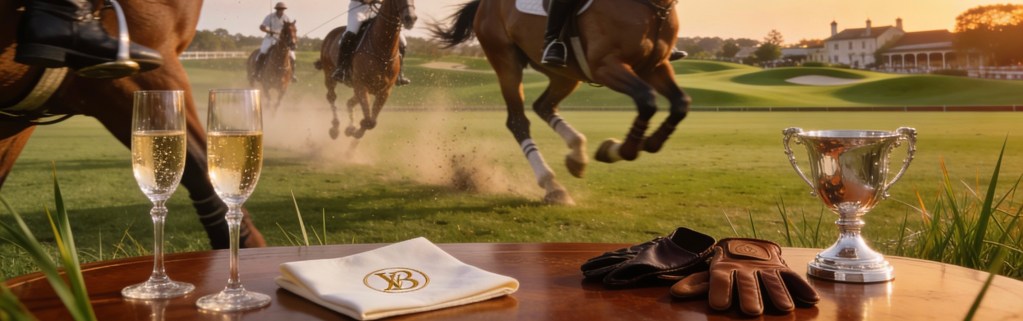


Polo is more than a sport—it is a statement of heritage, power, and refined taste. In the United States, polo has long been associated with America’s wealthiest families, exclusive country clubs, and high-society gatherings. But how did a horseback game with ancient roots evolve into a defining symbol of America’s elite culture?
The answer lies at the intersection of history, wealth, social influence, and lifestyle branding. This article explores the fascinating journey of polo—from its global origins to its rise as a status sport among America’s most influential circles.

The Ancient Origins of Polo: A Sport Born for Warriors
Polo is one of the world’s oldest known team sports, dating back over 2,000 years. Originating in ancient Persia, polo was initially used as a training exercise for cavalry units, helping warriors sharpen riding skills, coordination, and battlefield strategy.
From Persia, polo spread to Central Asia, China, and eventually the Indian subcontinent, where it gained significant popularity under royal patronage. The sport was often played by kings, nobles, and military elites, setting the foundation for its long-standing association with power and privilege.
British Influence: Polo’s Path to the Western World
Polo entered the Western consciousness through British colonial officers stationed in India during the 19th century. Captivated by the sport’s elegance and athleticism, British elites formalized its rules and introduced it to England.
By the late 1800s, polo had become a favorite pastime of the British aristocracy, played at exclusive clubs and royal estates. This British endorsement was critical—at the time, American high society often mirrored British upper-class traditions.
Polo Arrives in America: The Gilded Age Effect
Polo officially arrived in the United States in the 1870s, during the height of the Gilded Age—a period marked by rapid industrial expansion and immense wealth concentration.
Wealthy Americans such as Vanderbilts, Morgans, and Whitneys were eager to adopt European aristocratic customs to establish cultural legitimacy. Polo, with its costs, exclusivity, and elite aura, was a natural fit.
In 1876, the first organized polo match in America was played in New York, and soon after, the United States Polo Association (USPA) was formed in 1890—one of the oldest sports governing bodies in the country.
Why Polo Naturally Attracted America’s Elite
Polo didn’t just become popular among the wealthy—it was almost designed for them.
1. High Cost of Entry
Polo requires:
- Multiple trained horses per player
- Access to private fields and stables
- Skilled trainers, grooms, and veterinarians
- Significant leisure time
These factors automatically limited participation to individuals with substantial financial resources.
2. Social Exclusivity
Polo clubs functioned as elite social ecosystems where:
- Business deals were made
- Political alliances formed
- Marriages arranged
- Reputations built
Attending a polo match became just as important as playing one.
3. Symbol of Control and Mastery
Riding a powerful horse at high speed while controlling a mallet demonstrated discipline, confidence, and authority—qualities admired in elite leadership culture.
The Role of Elite Polo Clubs in America
Exclusive polo clubs played a major role in cementing polo’s elite status.
Notable American polo hubs include:
- Meadow Brook Club (New York)
- Santa Barbara Polo & Racquet Club (California)
- Palm Beach Polo Club (Florida)
These venues became social epicenters where luxury fashion, philanthropy, and high-level networking converged.
Polo and the American Upper-Class Lifestyle
By the early 20th century, polo was no longer just a sport—it was part of an elite lifestyle.
Polo events featured:
- Champagne receptions
- Tailored blazers and linen outfits
- Luxury automobiles
- High-society spectators
The sport aligned seamlessly with wealth-driven leisure culture, reinforcing its elite appeal.

World War Influence and Polo’s Elite Resilience
While wars and economic downturns reduced polo’s mass participation, the sport survived through elite patronage. Military officers, many from affluent backgrounds, continued to play polo as part of cavalry training well into the 20th century.
Even as mechanization reduced the need for horses in warfare, polo remained alive in private clubs and universities—preserved by America’s upper class.
Ralph Lauren and the Reinvention of Polo’s Image
One of the most defining moments in polo’s modern popularity came not from the field—but from fashion.
Ralph Lauren’s Polo brand, launched in the late 1960s, transformed polo into a global lifestyle symbol. The iconic polo player logo represented:
- Old money elegance
- American aristocracy
- Timeless sophistication
While many consumers never played polo, wearing the logo allowed them to buy into the elite aesthetic, further strengthening polo’s association with wealth and status.
Celebrity, Media, and Modern Elite Polo
In recent decades, polo has seen renewed interest through:
- Celebrity players and patrons
- High-profile charity matches
- Media coverage of luxury events
Notable figures from business magnates to royalty have contributed to polo’s continued elite visibility.
Polo today is as much about networking and branding as athletic competition.
Polo as a Networking Power Sport
For America’s elite, polo serves a strategic purpose:
- Corporate sponsorships
- Philanthropic fundraising
- Relationship building
Deals discussed on the sidelines often carry more weight than those in boardrooms.
Why Polo Remains Elite in the Modern Era
Despite evolving sports culture, polo retains its elite identity because:
- It resists mass commercialization
- It values tradition over trend
- It emphasizes heritage and discipline
Unlike mainstream sports, polo thrives on rarity and refinement—and that’s exactly what keeps it exclusive.
The Cultural Symbolism of Polo in America
Polo represents:
- Control over chaos
- Balance between power and elegance
- A legacy of leadership
For America’s elite, polo is not about winning trophies—it’s about belonging to a lineage.
A Sport That Defines American Aristocracy
Polo’s rise among America’s elite was no accident. Rooted in ancient power, refined by aristocracy, and sustained by wealth and influence, polo became the ultimate symbol of elite culture in the United States.
Today, polo continues to stand at the crossroads of sport, luxury, fashion, and social power—a timeless emblem of those who value heritage as much as prestige.
For America’s elite, polo is not just played—it is lived.

Leave a Reply